29 October, 2026

 Blog
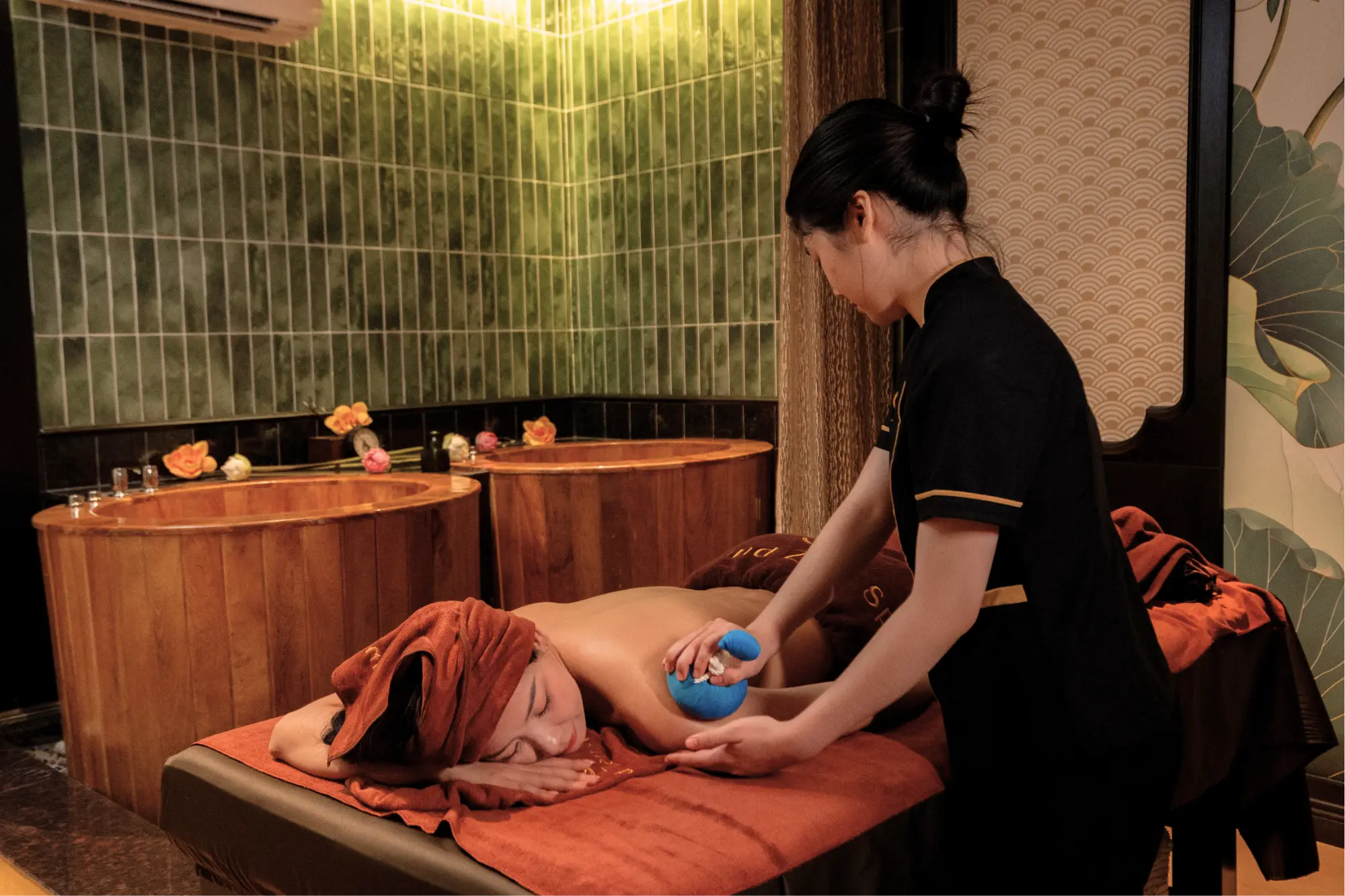
A Herbal Bath is a traditional bathing experience that uses natural herbs and aromatic plants infused in warm water. Common ingredients include lemongrass, ginger, green tea, mint, and other fragrant leaves, each contributing its own distinctive scent to the bathing experience.
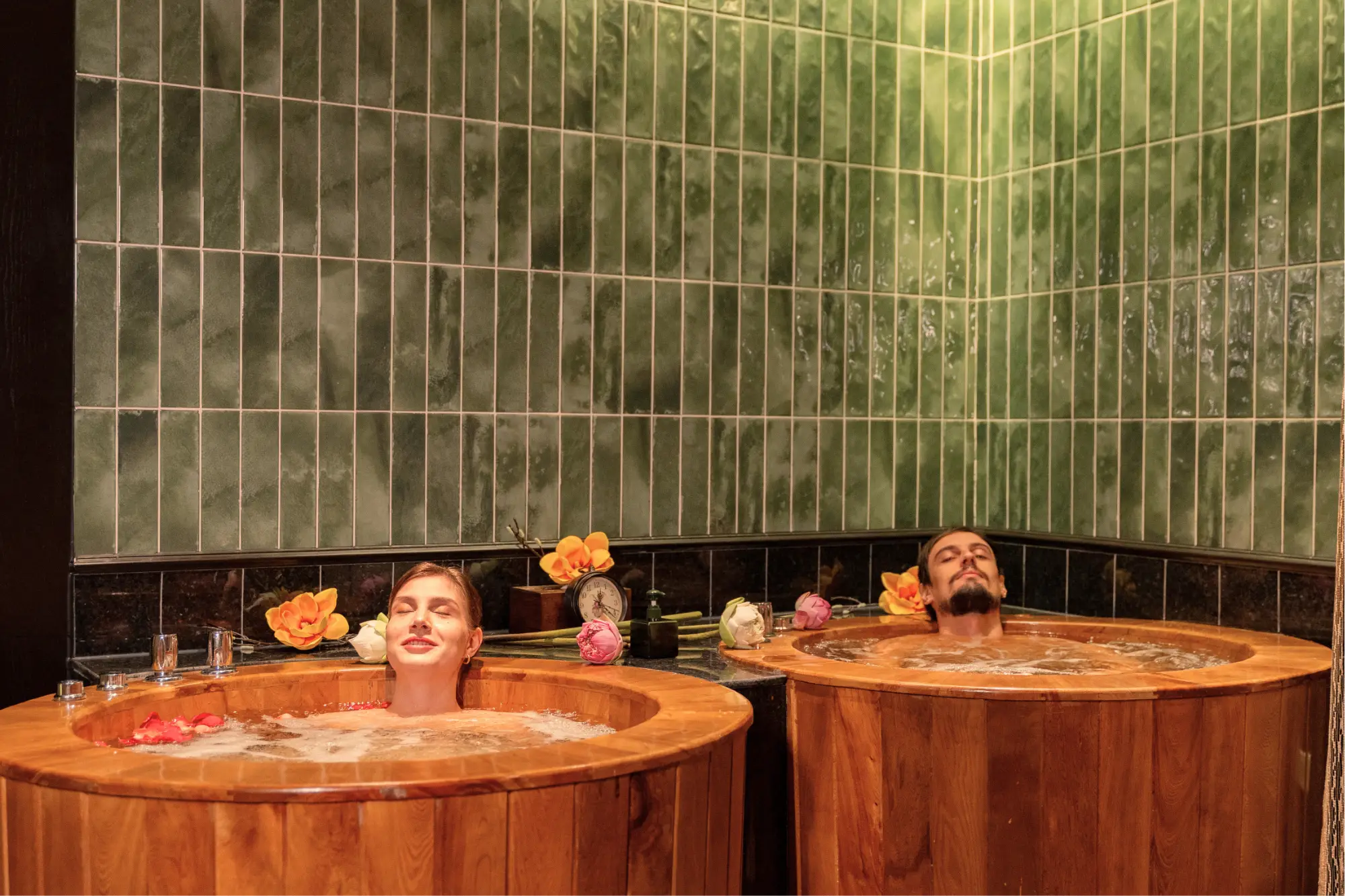
By combining warm water with the natural aromas of herbs, this bathing method creates a soothing atmosphere for personal relaxation. Beyond everyday bathing, a Herbal Bath offers an opportunity to slow down, enjoy aromatic surroundings, and take a moment for self-care.
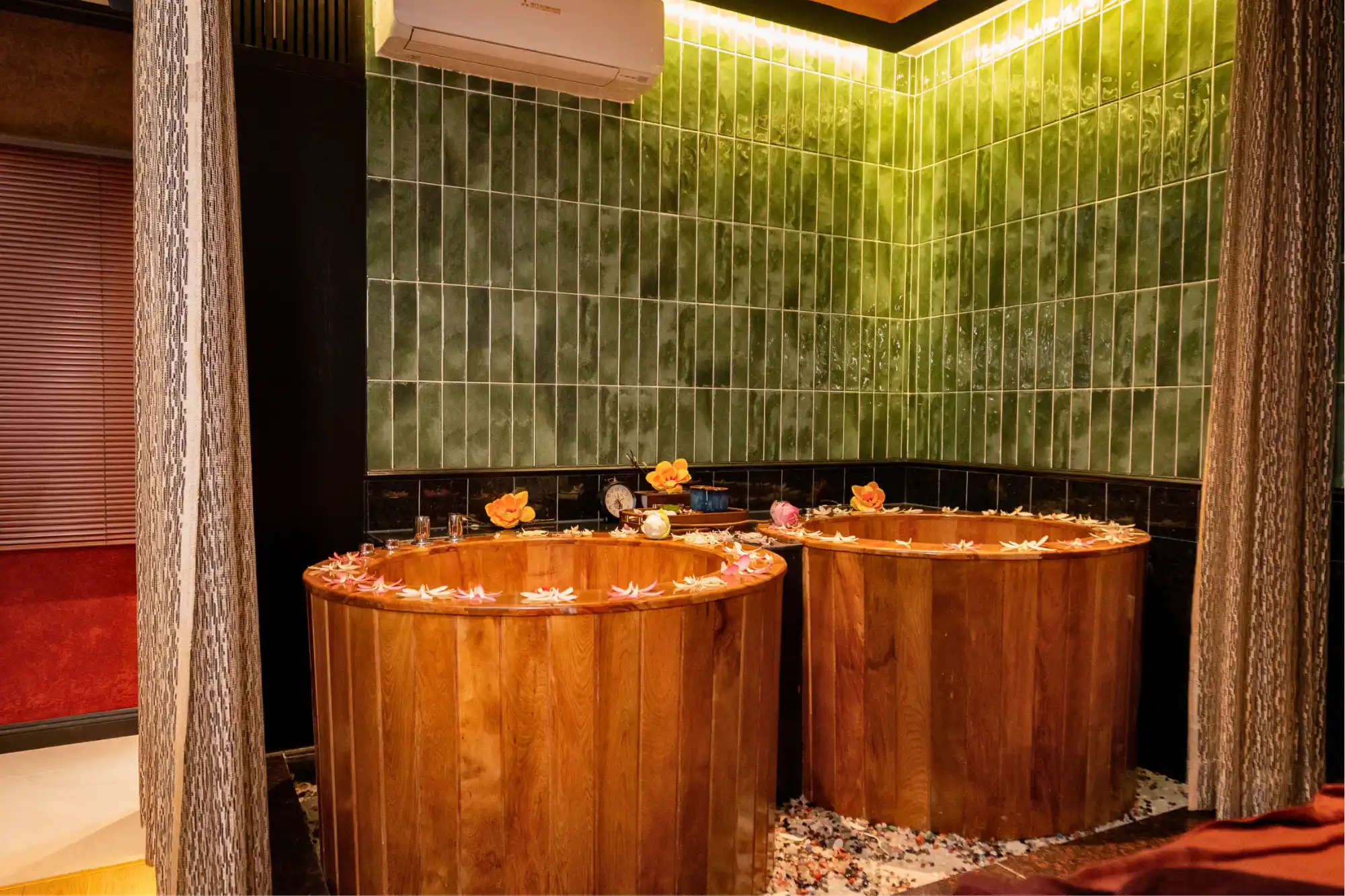
A Herbal Bath offers more than a simple bathing routine. The combination of warm water, natural herbal aromas, and traditional bathing practices creates several appealing aspects that make this experience a popular choice for personal relaxation.
One of the appealing aspects of a Herbal Bath is the fragrance of natural herbs. Ingredients such as lemongrass, mint, and aromatic leaves release pleasant scents when infused in warm water, creating a refreshing and comfortable atmosphere. These natural aromas can make bath time feel more peaceful and enjoyable, especially after a busy day.
A warm herbal bath provides a simple way to unwind after daily activities. The gentle warmth of the water can help the body feel comfortable while offering a quiet break from work, travel, or other demanding routines. Taking time to enjoy a warm bath also encourages a slower pace and creates space for personal relaxation.
Herbal bathing has long been part of traditional self-care practices in many cultures, including Vietnam. Local herbs and aromatic leaves have traditionally been prepared in warm water for bathing, reflecting the connection between natural ingredients and everyday wellness. Today, this approach continues to appeal to people who appreciate simple, nature-inspired ways to care for themselves.
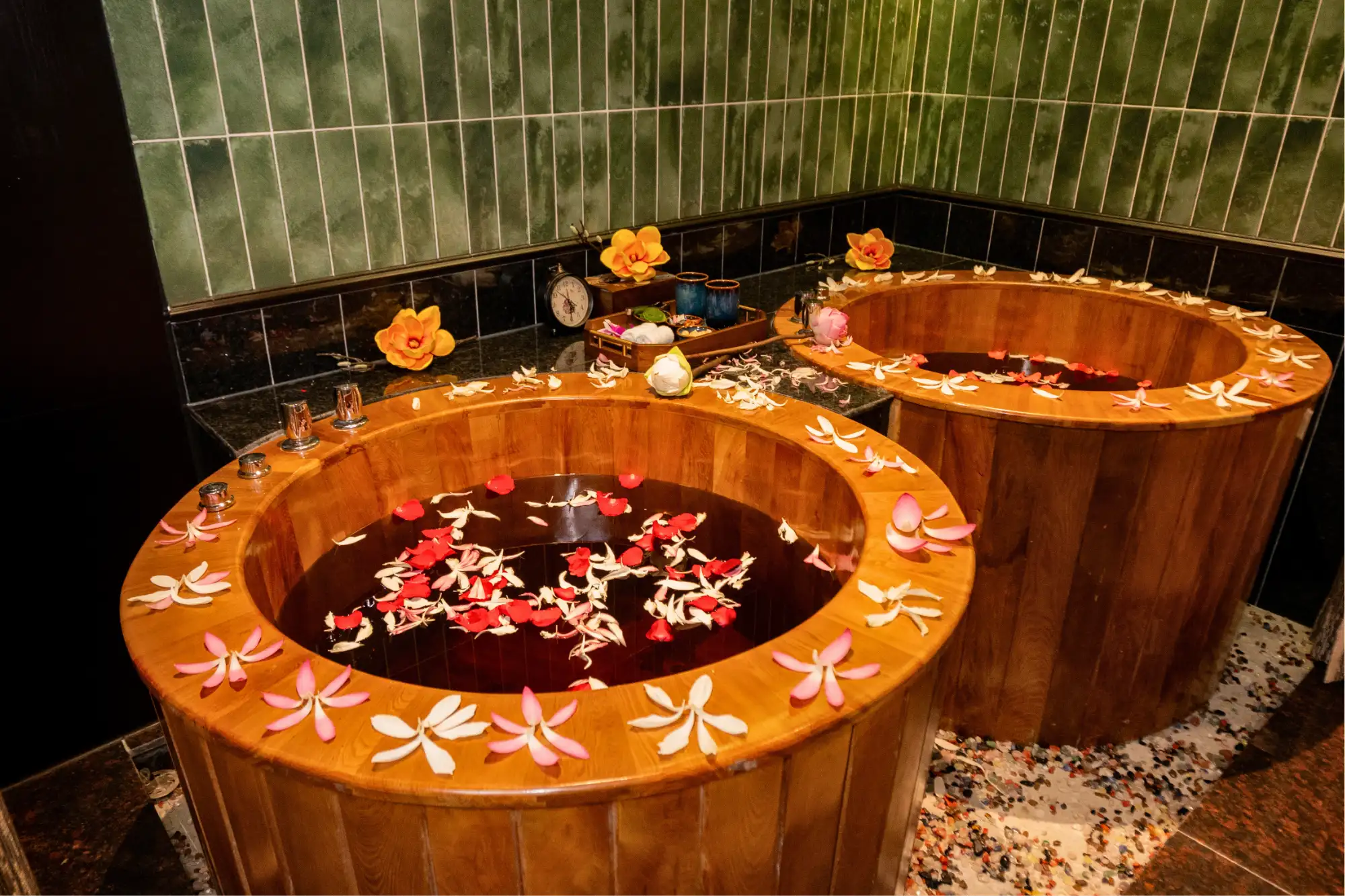
The ingredients used in a Herbal Bath can influence its fragrance and overall bathing experience. From familiar Vietnamese herbs to refreshing aromatic plants, each ingredient brings a distinctive scent and character to the herbal infusion.
Lemongrass and ginger are familiar ingredients in traditional Vietnamese herbal preparations. Lemongrass offers a fresh, citrus-like fragrance, while ginger has a distinctive warm and spicy aroma. When combined in warm bathwater, these ingredients create a pleasant herbal scent that makes the bathing experience feel comforting and refreshing.
Green tea and mint are popular for their light, refreshing aromas. Green tea has a subtle, earthy scent, while mint brings a cool and invigorating fragrance. Their combination can create a clean, fresh atmosphere that appeals to people who prefer lighter herbal scents during their bathing routine.
Traditional Vietnamese Massage herbal bathing practices may also include a variety of local leaves and aromatic plants, depending on regional customs and personal preferences. Ingredients such as pomelo leaves, basil, and other fragrant herbs can add distinctive scents to the bath. The selection of ingredients may vary according to the intended bathing experience and individual preferences.
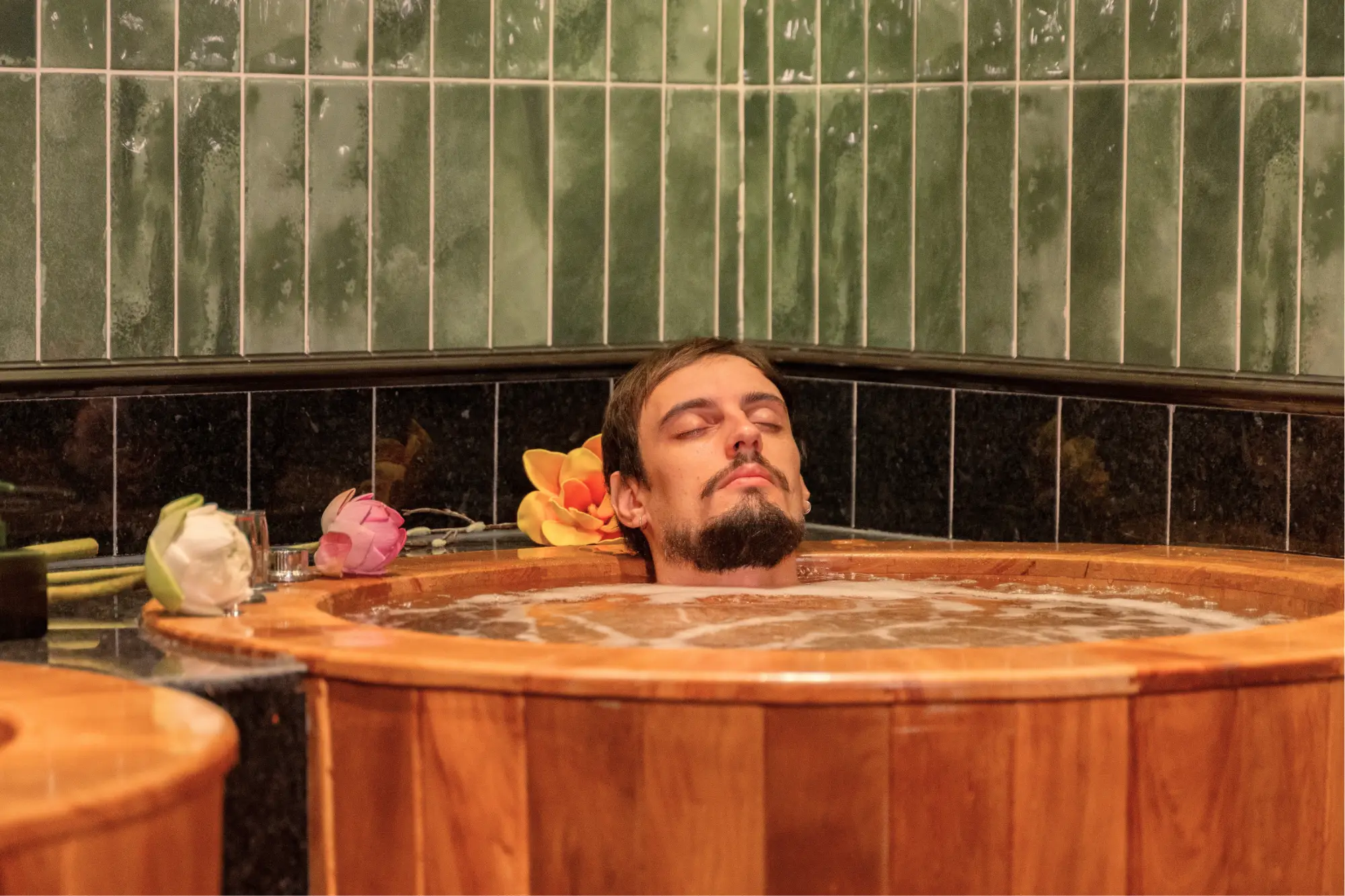
Although the exact process may vary depending on the ingredients and bathing method, a Herbal Bath generally follows several preparation and relaxation steps. Understanding each stage can help you know what to expect and make the experience more comfortable.
The first step is selecting suitable herbs based on their fragrance, availability, and intended use. Fresh or dried ingredients are cleaned and prepared before being added to the water. Choosing appropriate herbs is important, particularly for people with sensitive skin or known allergies.
The selected herbs may be simmered or steeped in water to release their natural aromas before the herbal infusion is added to the bath. The water temperature should remain comfortably warm rather than excessively hot. This preparation creates an inviting bathing environment with the gentle fragrance of natural ingredients.
Once the bath is ready, you can take time to relax in the warm, aromatic water. A quiet environment and a comfortable bathing temperature can make the experience more enjoyable. Rather than rushing through the process, allow yourself a few peaceful moments to appreciate the herbal aromas and step away from your usual routine.
After bathing, gently pat your skin dry with a clean towel and take a few moments to rest. Drinking water can help maintain normal hydration, while applying a suitable moisturizer may help keep your skin comfortable. If you notice redness, itching, or irritation after using herbal ingredients, discontinue use and rinse the affected area with clean water.
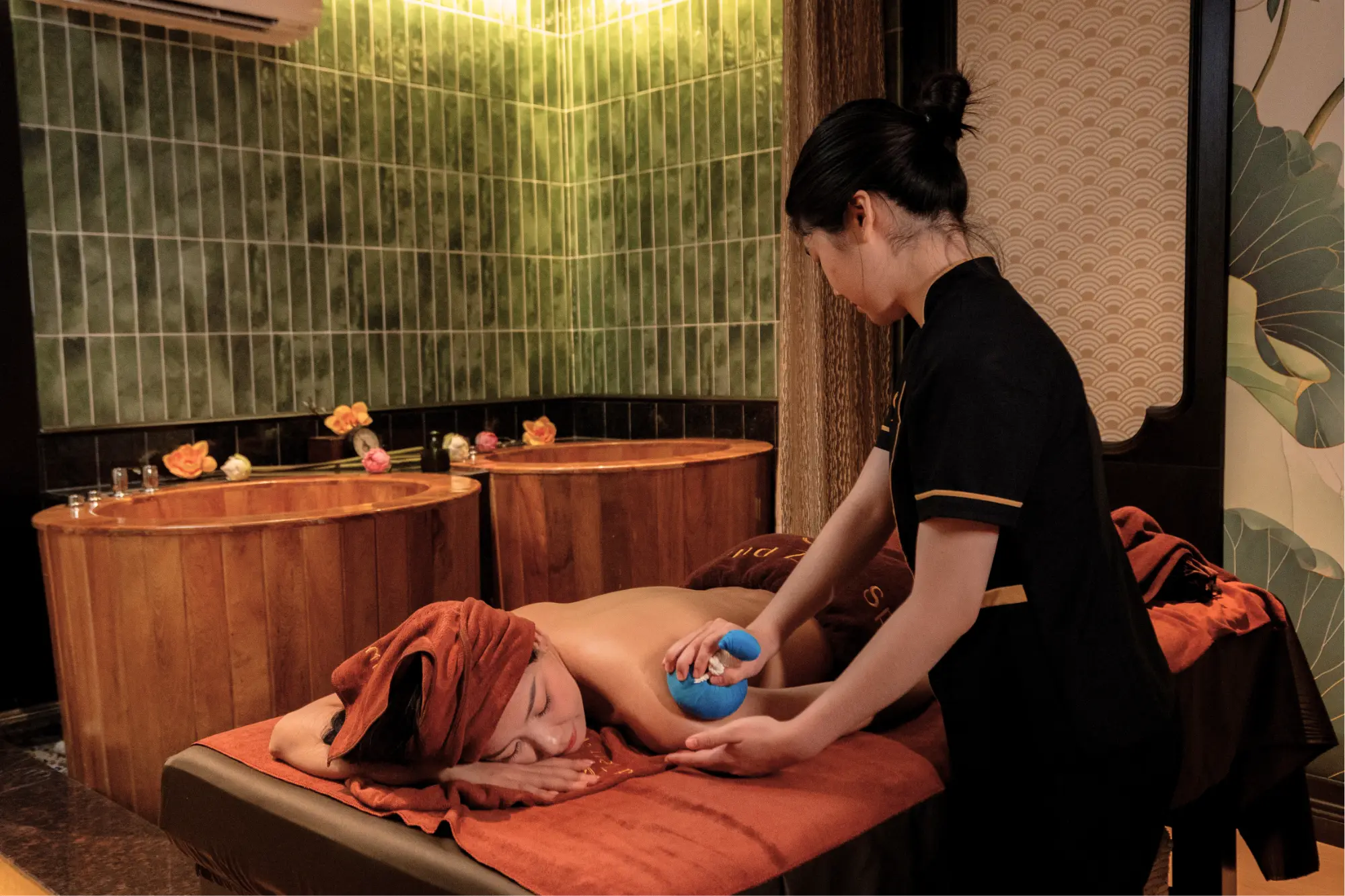
Although a Herbal Bath can be an enjoyable way to relax, a few precautions are worth considering before getting started. Paying attention to water temperature, herbal ingredients, and your personal skin condition can help make the experience safer and more comfortable.
Herbal bathing and massage are two different approaches to personal wellness, but they can complement each other in a broader relaxation routine. Understanding their individual characteristics can help you decide which experience best suits your preferences and needs.
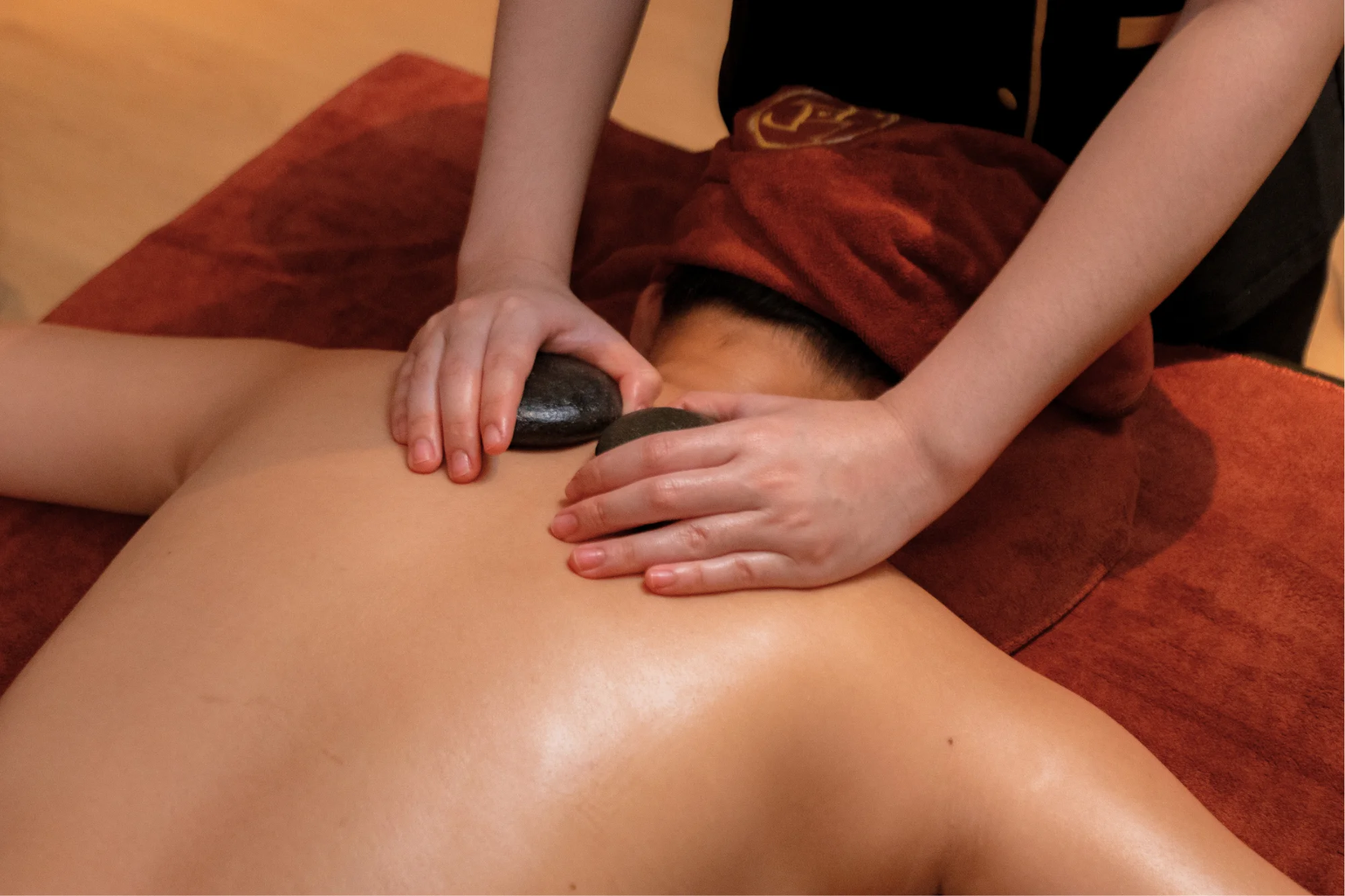
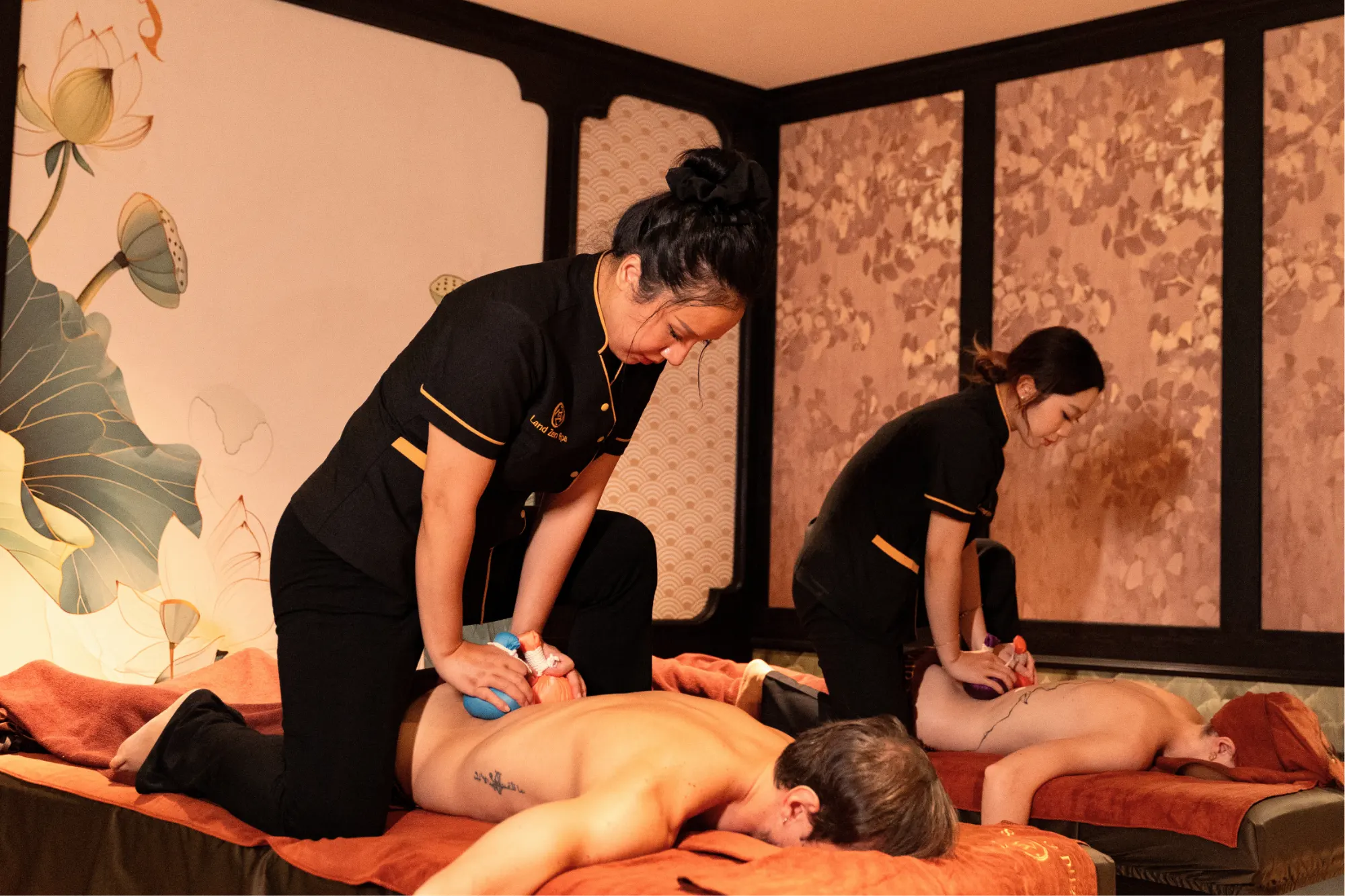
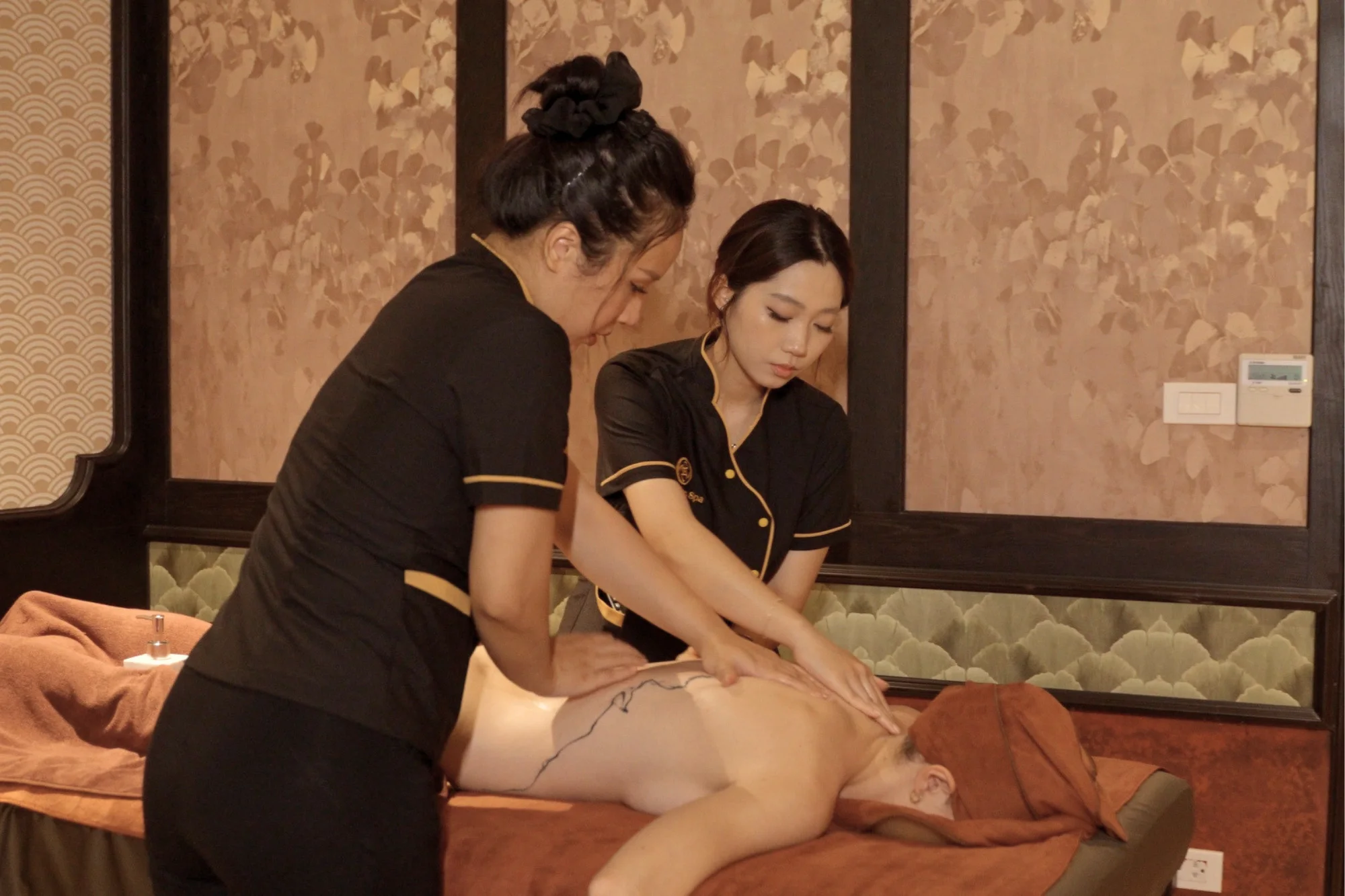
A Herbal Bath focuses on soaking in warm water infused with aromatic herbs. Its main appeal lies in the warmth of the water and the pleasant fragrance of natural ingredients. Massage, on the other hand, involves professional techniques such as stroking, kneading, and applying controlled pressure to different areas of the body.
When included in the same wellness routine, these experiences can offer different forms of relaxation. A warm herbal bath may provide a soothing start, while a massage offers focused attention to areas that feel tense or tired. However, the suitability and order of treatments depend on individual preferences, skin condition, and health considerations.
See more: Body Scrub and Massage: Benefits, Process, and What to Expect
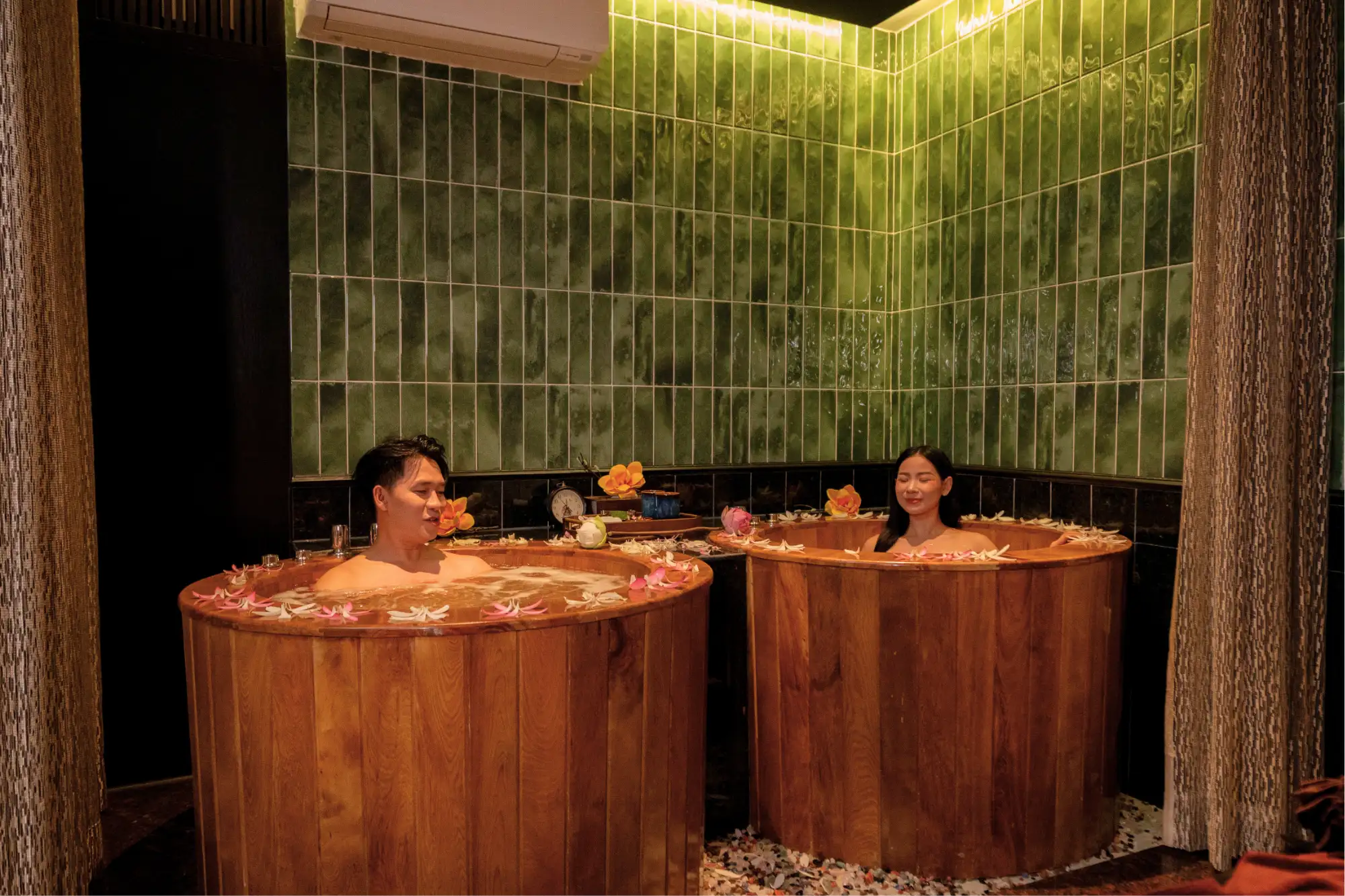
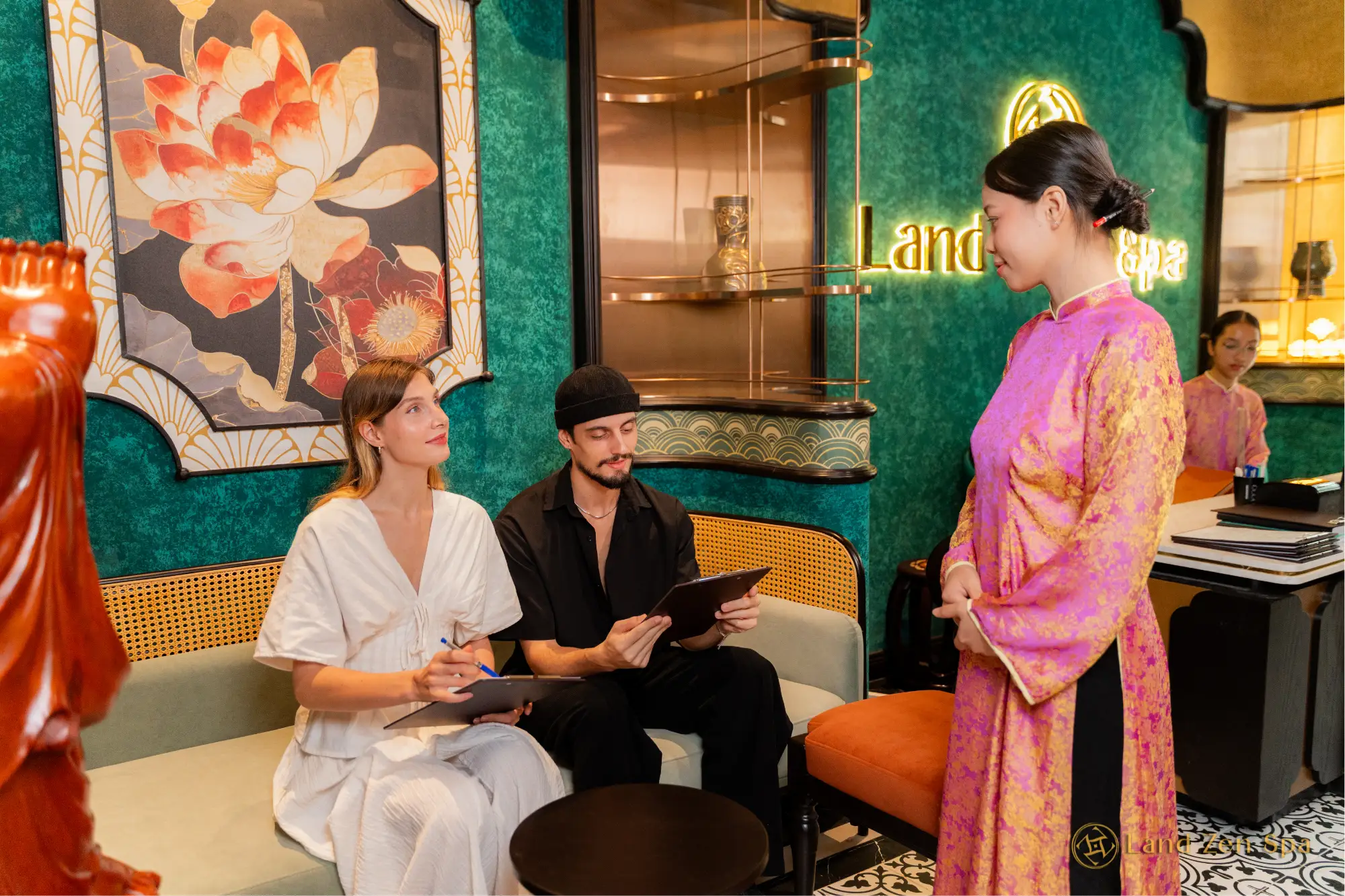
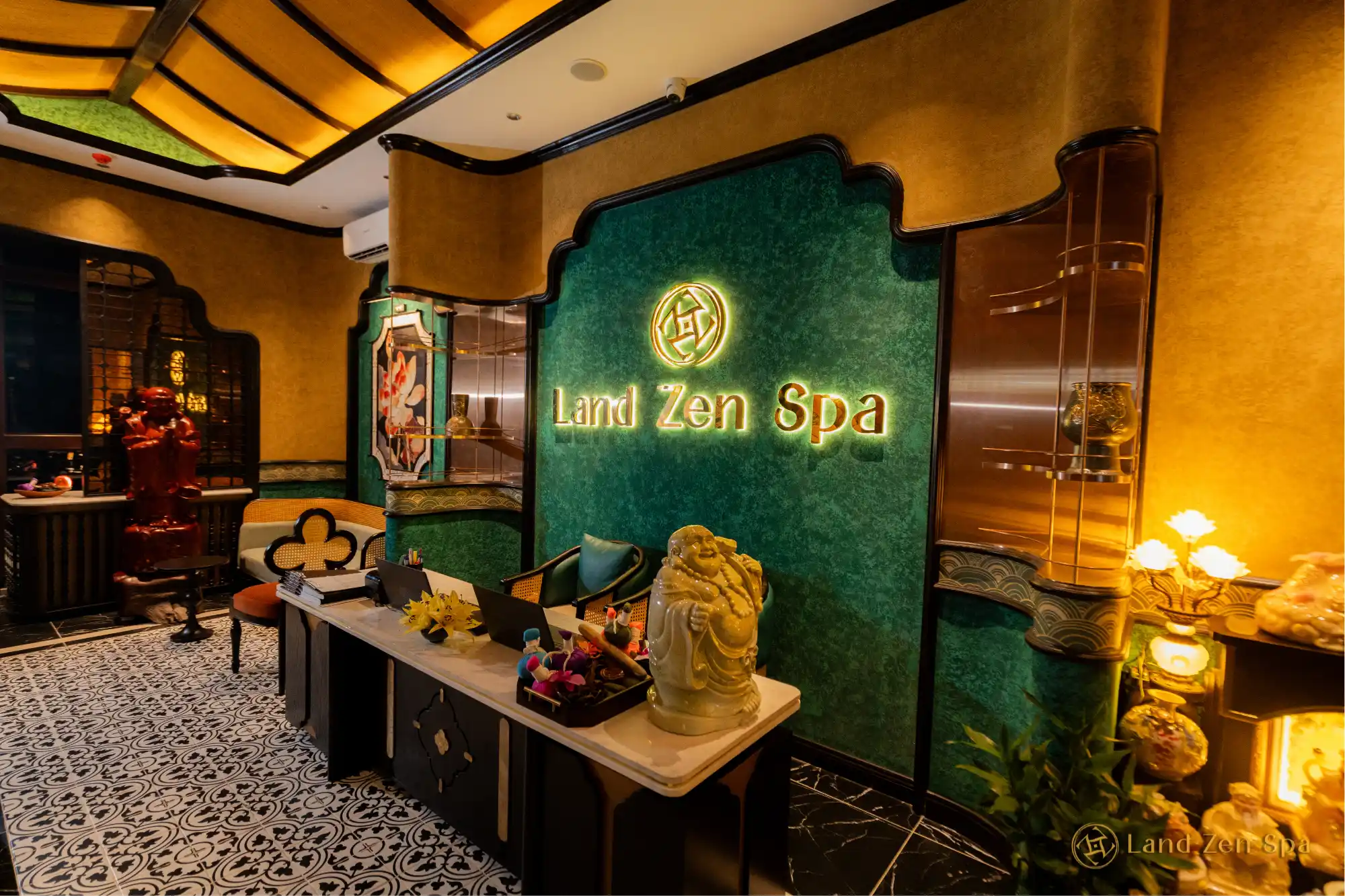
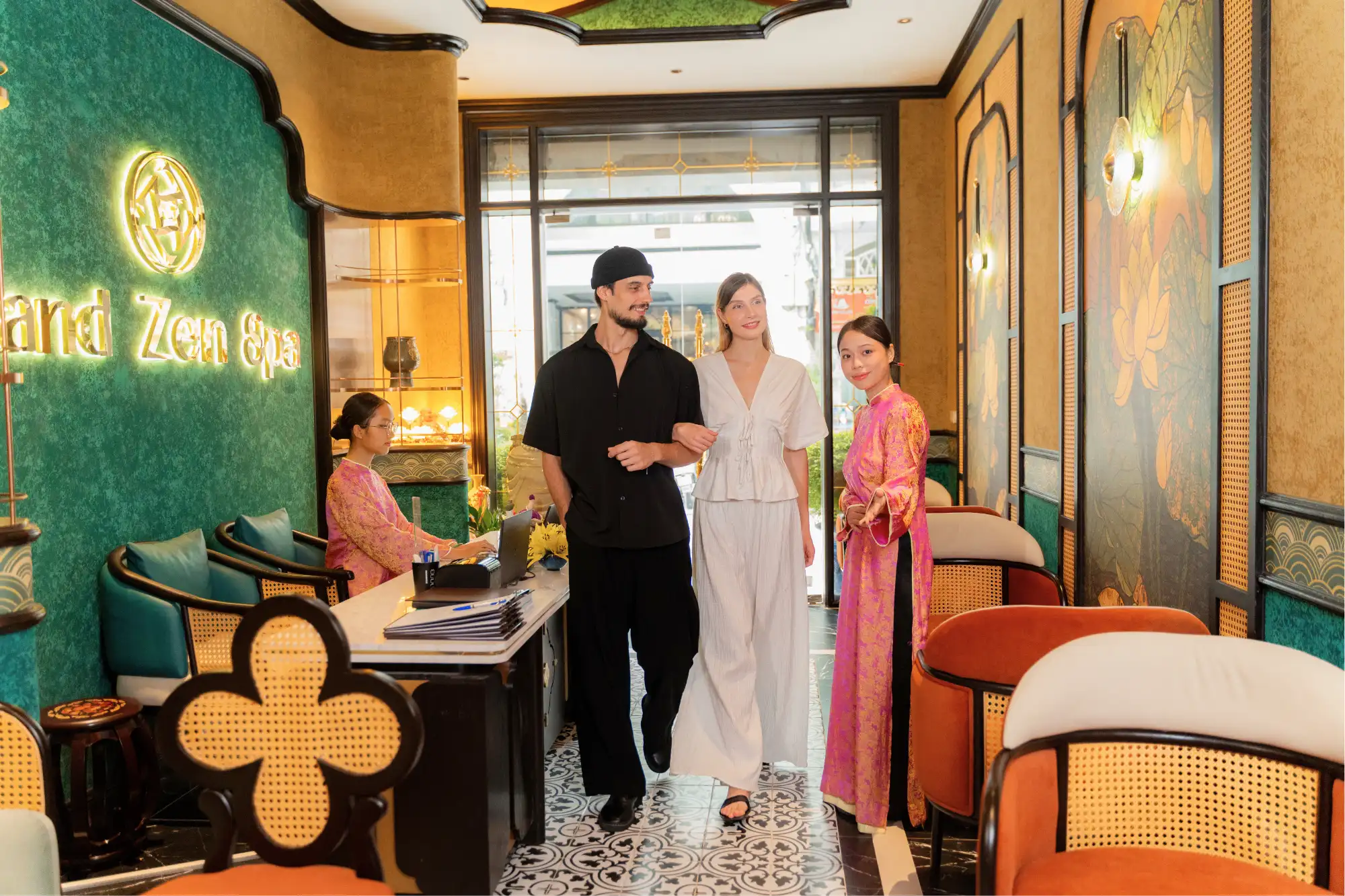
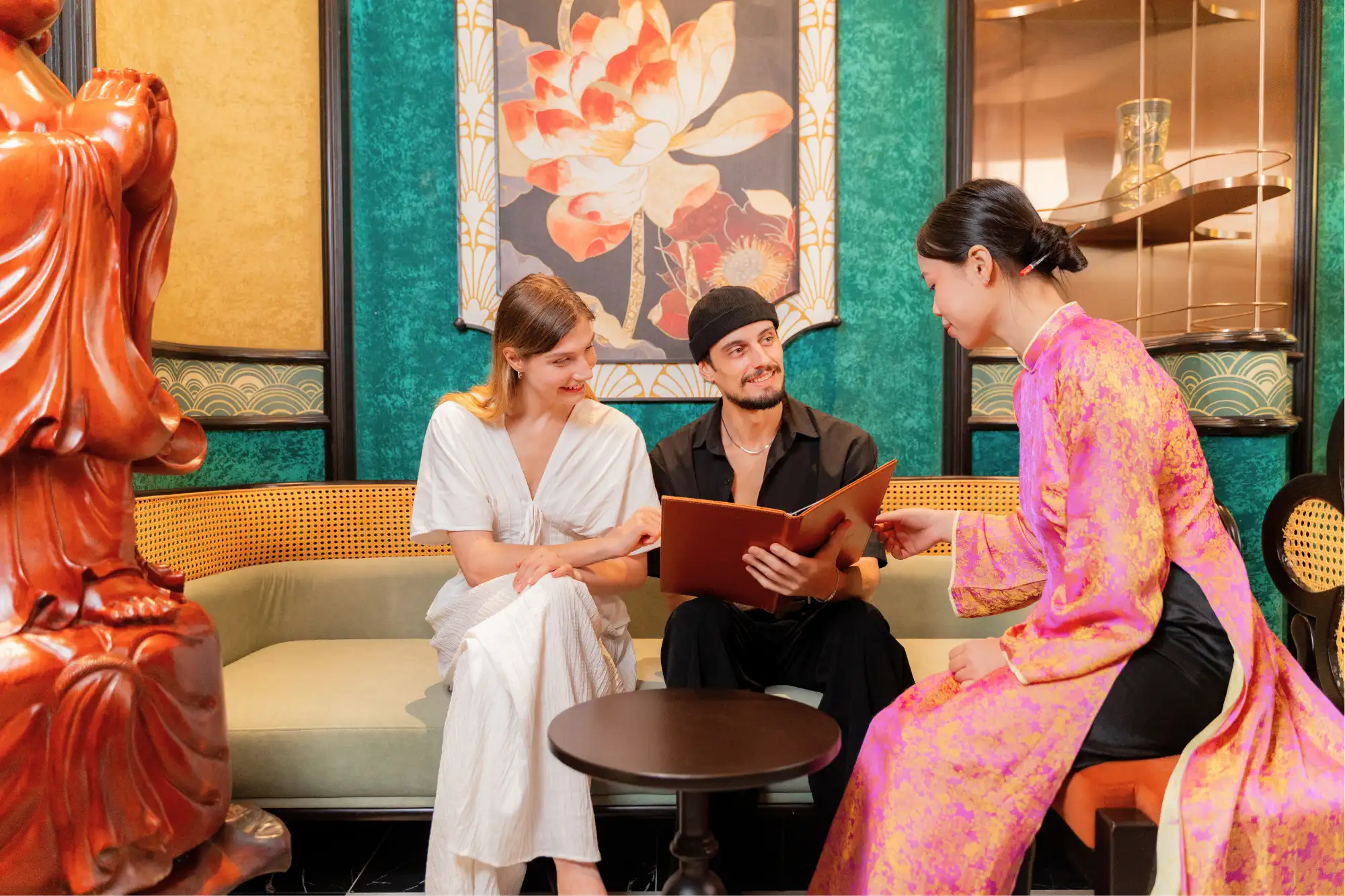
Located in the heart of Hanoi Old Quarter, Land Zen Spa offers a welcoming setting for travelers and local guests seeking professional massage care and a peaceful break from the city's busy atmosphere. Situated at 16 Hang Hom, the spa provides convenient access for visitors exploring the surrounding streets and attractions.
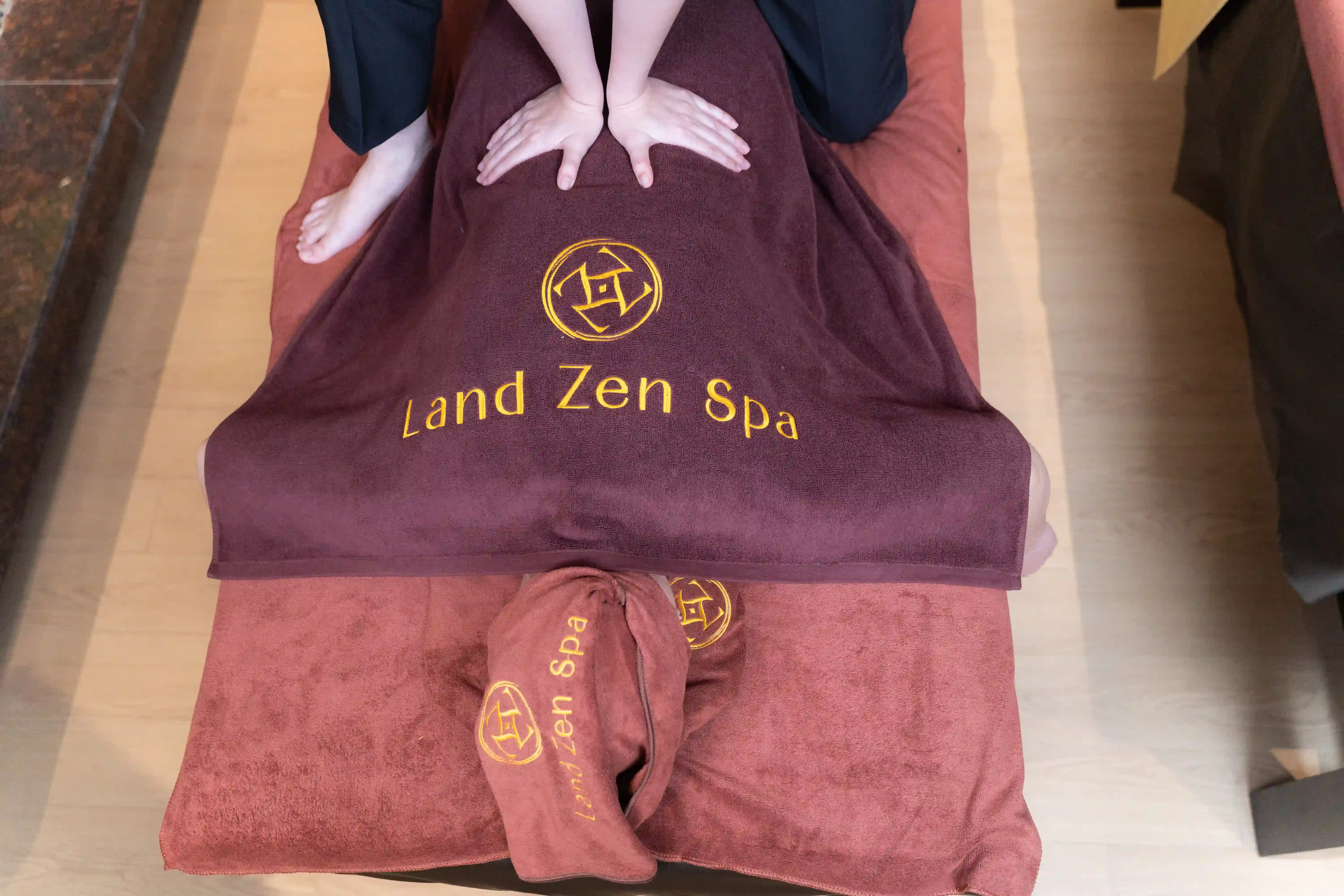
Land Zen Spa places emphasis on professional service, personalized attention, and the expertise of skilled massage therapists with professional certifications. Guests can explore available massage options, including Hair Wash, Herbal Bath, Jacuzzi & Steam and Back - Shoulder - Head Relaxation, depending on their relaxation preferences and needs.
While herbal bathing can be an appealing addition to a wellness routine, treatment availability may vary between spas. If you are interested in experiencing a Herbal Bath at Land Zen Spa, it is best to contact the team in advance to confirm whether this treatment is currently available and whether it can be combined with a massage session.
With its location in Hanoi Old Quarter and a focus on attentive massage care, Land Zen Spa offers a convenient option for guests looking to include relaxation in their Hanoi itinerary. If you are exploring wellness options in Hanoi Old Quarter, Land Zen Spa welcomes you to discover its professional massage treatments and personalized care at 16 Hang Hom. Contact Land Zen Spa at +84 327 918 768 or booking@landzenspa.com to confirm Herbal Bath availability and explore the treatments currently offered.
A Herbal Bath offers a refreshing way to enjoy natural herbal aromas, warm water, and a peaceful moment of self-care. By understanding the ingredients, preparation process, and necessary precautions, you can make a more informed choice about this traditional wellness experience. If you are exploring wellness options in Hanoi Old Quarter, Land Zen Spa welcomes you to discover its professional massage treatments and personalized care at 16 Hang Hom.
27 October, 2026
25 October, 2026
21 October, 2026
19 October, 2026
30 September, 2026
29 September, 2026